
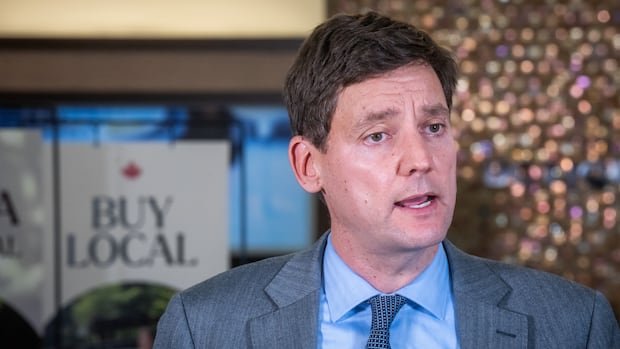
British Columbia Premier David Eby expressed support for retaliatory tariffs amid escalating trade tensions with the U.S. He emphasized the importance of exploring alternative measures beyond tariffs to counter American levies.
The U.S. recently imposed 50% tariffs on various Canadian goods like pulp and paper products, appliances, and dairy items, prompting Canada to announce retaliatory tariffs effective September 8. Given British Columbia’s vulnerability to these tariffs, Eby appreciated the federal government’s decision to match tariffs dollar for dollar.
During a press conference in Vancouver, Eby recommended Prime Minister Mark Carney to consider non-tariff solutions as the trade dispute intensifies, including a potential review of the procurement of fighter jets from the U.S., valued at billions of dollars.
Highlighting the export of American thermal coal through a Vancouver port, Eby suggested expediting the phase-out of such shipments, citing the inability of U.S. ports to handle the coal themselves. He referenced former B.C. Conservative leader John Rustad’s proposal for a levy on U.S. thermal coal exports to dissuade tariffs on Canadian softwood lumber.
Eby encouraged residents to support local products amidst the trade conflict, emphasizing the importance of boosting domestic industries. He urged Canadians to prioritize Canadian goods over American alternatives and to avoid traveling to the U.S. for tourism.
Canadian retaliatory tariffs are expected to target the same products affected by the U.S.’s Section 338 and 232 tariffs. The detailed list of over 700 impacted products is available online.
Eby commended the federal government’s initial support for Canadian workers but stressed the necessity of clear implementation plans for employment insurance assistance and loans for small and medium-sized enterprises. B.C. Federation of Labour president Sussanne Skidmore echoed these sentiments, emphasizing that any government aid to businesses must prioritize retaining jobs.
Overall, Eby affirmed the commitment to collaborate with the federal government in a unified national response to the unjustified trade actions affecting British Columbia and Canada.