
WARNING: The following article discusses violence against children and attempted suicide.
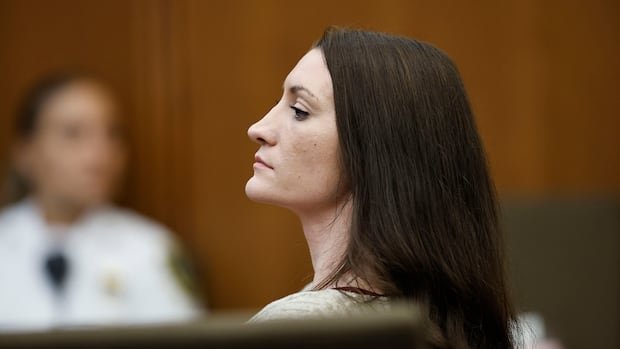
The murder trial of Lindsay Clancy, a mother accused of strangling her three young children, wrapped up its testimony on Wednesday. The case has brought attention to postpartum mental health issues.
Closing arguments are scheduled to commence on Thursday, after which the jury will begin deliberations.
Lindsay Clancy, aged 36, has pleaded not guilty by reason of lack of criminal responsibility. Her defense team argues that she was suffering from postpartum psychosis at the time she killed her children – five-year-old Cora, three-year-old Dawson, and eight-month-old Callan Clancy – at their residence in Duxbury, Mass., in January 2023.
This rare mental disorder is associated with the challenges of stress, sleep deprivation, and hormonal fluctuations following childbirth.
Expert Testimony from FBI Forensic Psychiatrist
The prosecution asserts that Clancy premeditated the murders and was aware that her actions were wrongful.
During the trial, which has entered its fifth week, Clancy chose not to testify. The defense presented 10 witnesses, including some of Clancy’s acquaintances and relatives, while the prosecution called over 70 witnesses, including her ex-husband.
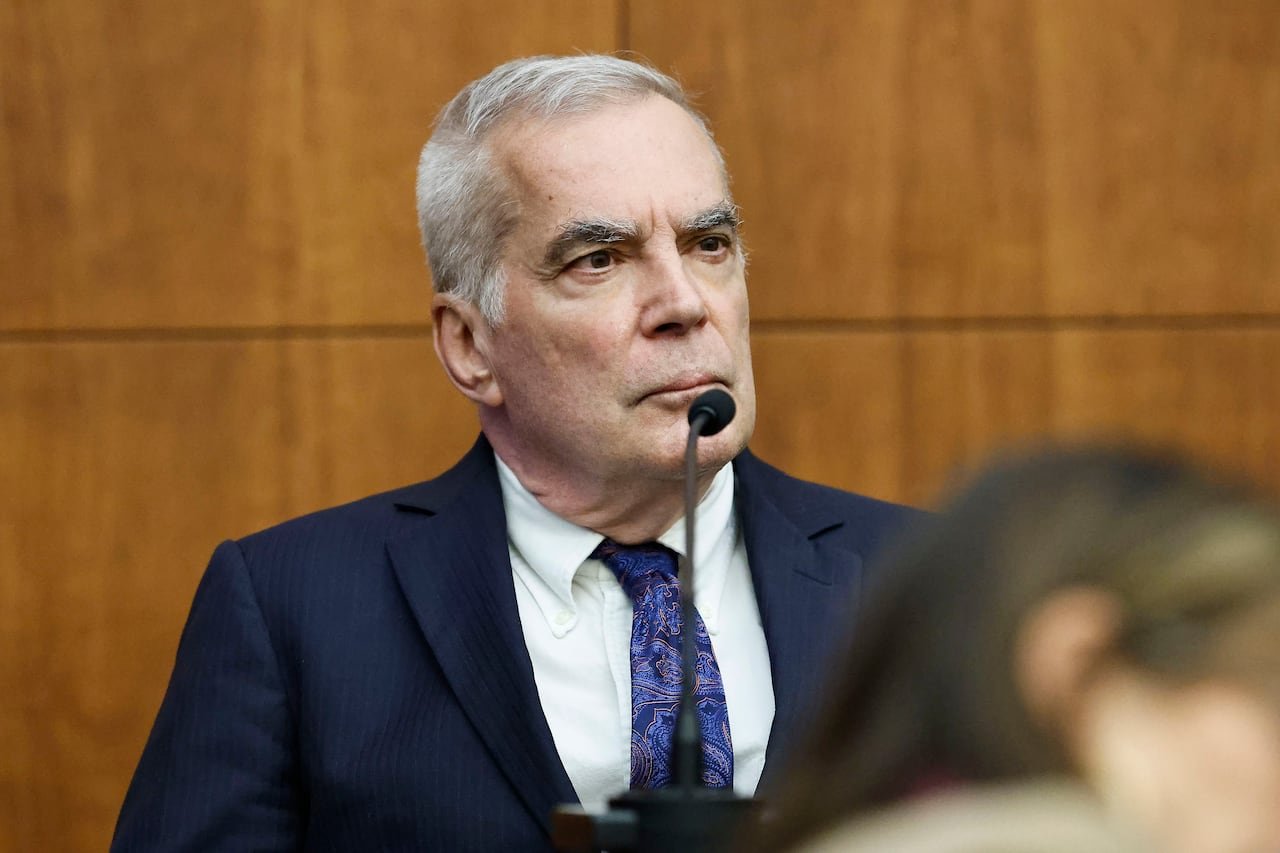
As the final rebuttal witness for the prosecution, a forensic psychiatrist from the University of Virginia and a senior psychiatrist at the FBI’s Behavioral Analysis Unit testified on Wednesday. He disputed Clancy’s claim that a voice compelled her to kill the children.
Prosecutor Jennifer Sprague questioned Dr. Gregory Saathoff regarding Clancy’s narrative: Did the voice instruct her on where, how, and with what to carry out the killings? Saathoff consistently responded in the negative.
“The fact that she executed these decisions without guidance or a plan is remarkable,” he remarked.
All three children were strangled with exercise bands in the family’s basement before Clancy attempted to end her own life while her husband was away getting takeout and at a pharmacy on January 24, 2023. Saathoff highlighted Clancy’s control over the sequence of events, emphasizing her swift and methodical actions.
“In the brief period she had at home without her husband, it was crucial for her to act swiftly and systematically to accomplish both the murders and her suicide,” he explained.
On the previous day, Saathoff noted Clancy’s claim that the voice stopped immediately after the killings, which he found peculiar. He emphasized that committing the act does not typically silence such voices.