
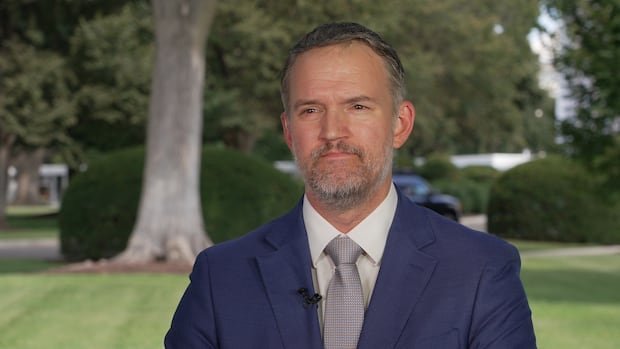
The chief trade negotiator of the Trump administration challenged Ottawa’s claim that sudden demands from the U.S. caused the breakdown of a trade agreement with Canada. U.S. Trade Representative Jamieson Greer revealed that Canadian negotiators raised concerns about the deal’s “implementation,” leading to the deal being called off.
In an interview with CBC News, Greer stated that the Canadian side presented new requests upon Trade Minister Dominic LeBlanc’s return from Ottawa, following the initial agreement reached on August 18. Greer emphasized that the U.S. had offered what he considered the most favorable deal globally for Canada, but the additional requests made by the Canadian negotiators were deemed excessive by the United States.
Greer mentioned uncertainty about the timing of resuming negotiations between the two countries, confirming a lack of communication with LeBlanc as of the interview. He emphasized the need for open channels of dialogue to progress further.
Diverging viewpoints emerged regarding the breakdown of talks, with Prime Minister Mark Carney suggesting that last-minute alterations by the U.S. disrupted the agreement, while the White House claimed Canada rejected a deal that included tariff cuts on various products. Greer hinted at potential retaliatory actions from the U.S. in response to Canada’s planned counter-tariffs.
Regarding the specifics of the failed deal, Greer disclosed proposed reductions in steel and auto tariffs from the U.S. side. However, disagreements persisted, particularly on the conditions related to trade agreements with other nations. The escalating tensions were a departure from the recent optimism surrounding the negotiations, highlighting the challenges in reaching a mutually beneficial agreement.
Carney emphasized that Canada would prioritize its interests and seek economically viable deals before returning to negotiations with the U.S. He underscored the importance of diversifying trade relationships and strengthening the domestic economy to reduce dependency on the United States, signaling a shift in strategy amid the ongoing trade dispute.