
The trade tensions between Canada and the United States are expected to drive up costs for consumers and businesses, impacting various sectors such as electronics, gaming consoles, and artificial intelligence infrastructure.
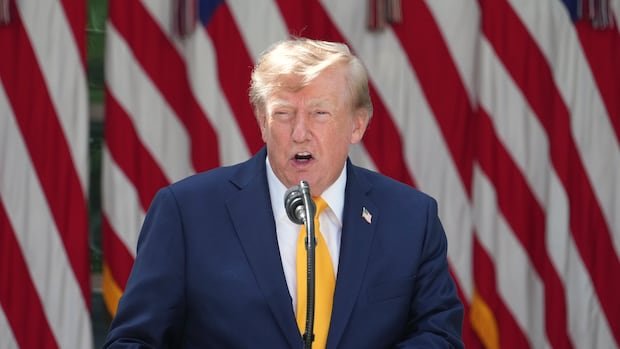
Canada’s export of electronics equipment to the U.S. valued at over $4 billion last year faces new 50 per cent tariffs imposed by President Donald Trump. Notably, certain electrical boards and controllers are among the top exports affected by these tariffs.
In response, Prime Minister Mark Carney stated that Canada would mirror the U.S. tariffs, leading to inevitable price hikes as the trade dispute intensifies, posing challenges for businesses on both sides of the border.
Carol McGlogan, the president and CEO of Electro-Federation Canada, emphasized the detrimental impact of the 50 per cent tariffs on the industry, noting that 90 per cent of their exports go to the U.S. She highlighted that these tariff-induced price increases will impact various sectors, including residential, educational, and commercial constructions.
Evan Light, an associate professor at the University of Toronto, pointed out that items like gaming consoles and cell phones have already been experiencing price increases due to supply chain issues. He predicts that the trade war escalation will further elevate the prices of these products.
Andrew Bell, the Chief Product Officer of Ottawa-based Kinaxis, highlighted the ripple effect of tariffs on supply chains and end consumers. He mentioned that while tariffs might initially affect supply chains, ultimately, consumers bear the increased costs of products.
Moreover, concerns have been raised regarding the impact of tariffs on artificial intelligence adoption. Nvidia, a leading company in AI technology, has warned customers of potential price hikes due to supply chain challenges. University of Toronto professor Light expressed apprehension that rising prices could hinder AI adoption in both the U.S. and Canada.
As the trade war unfolds, businesses and consumers brace for higher prices and potential disruptions in various industries, underscoring the complexities and implications of escalating trade tensions between the two countries.