
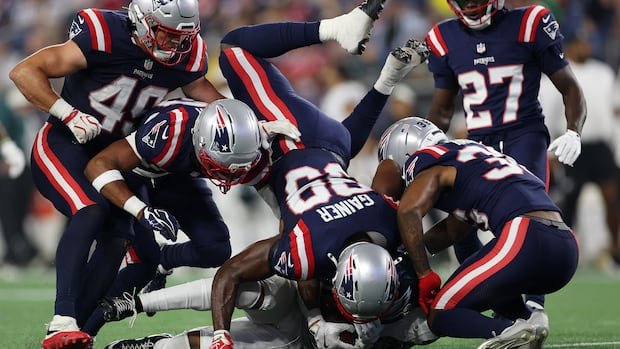
A recent study conducted by a U.S. research team revealed that approximately 25% of former National Football League (NFL) players exhibited signs of chronic traumatic encephalopathy (CTE) at the time of their passing. CTE, a neurodegenerative brain disease linked to repeated head injuries, can result in severe symptoms such as memory loss, balance issues, depression, aggression, and suicidal thoughts.
The research, led by Dr. Daniel Daneshvar from Mass General Brigham, Boston University, and the Concussion & CTE Foundation, aimed to determine the prevalence of CTE among NFL players. Analyzing brain samples from 235 deceased players who donated their brains, the study found that over 90% showed evidence of CTE. Accounting for players who did not donate their brains, the estimated minimum prevalence of CTE was around 25%.
Moreover, the study highlighted that nearly 60% of NFL players with CTE met the criteria for dementia, indicating significant cognitive impairment. Dr. Daneshvar emphasized the urgent need for increased awareness of the long-term consequences of head trauma in sports, stressing the importance of mitigating repetitive head impacts to reduce the risk of CTE.
Notably, the findings underscore the challenges associated with diagnosing CTE during a person’s lifetime, as the condition can only be confirmed posthumously. Dr. Charles Tator, a prominent Canadian neuroscientist, emphasized the necessity of proactive measures to safeguard athletes’ brains from potential harm, emphasizing the importance of injury prevention initiatives in sports at all levels.
Moving forward, the research team recommended further investigations focusing on recent athletes and comprehensive strategies to minimize all forms of head injuries that could contribute to CTE risk. The ultimate goal is to shift discussions from understanding CTE to developing effective treatments to combat this debilitating disease.