
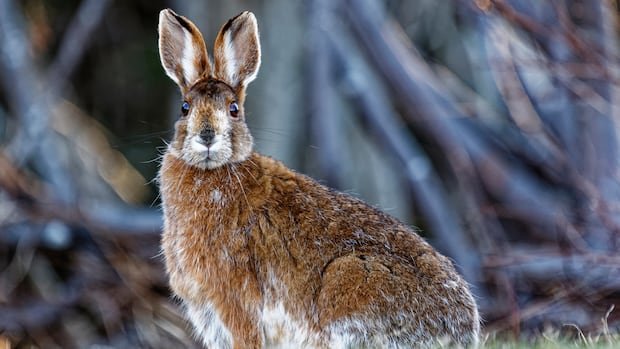
After post-tropical storm Fiona hit Prince Edward Island, wildlife biologist Garry Gregory stated that there has been an apparent increase in the presence of snowshoe hares on the island. Islanders have reported observing more “rabbits” in their yards, although these animals are actually snowshoe hares, not native rabbits.
While there is no formal data tracking the snowshoe hare population increase, Gregory mentioned that changes in the landscape post-Fiona make it reasonable to suspect a rise in numbers. The storm left behind dense debris in forests, providing ideal escape cover for hares, potentially leading to a population bump.
The storm’s impact on the forest canopy allowed early successional plants to flourish, providing winter forage for snowshoe hares. The new habitat also benefits other wildlife species like songbirds and woodcock, utilizing the early growth.
Gregory emphasized that encountering hares in yards is generally not a problem, except for minor nibbling on vegetable gardens. Feeding hares is discouraged as they have abundant natural food sources. Additionally, feeding them may attract predators like dogs, posing a threat to the hares.
Reports of hares with ticks have also increased, likely due to better reporting capabilities and public concern about ticks. However, the ticks found on hares are not the kind that transmit Lyme disease, and infestations usually do not pose a serious health risk to the animals.
Overall, the rise in snowshoe hare sightings post-storm Fiona highlights the resilience and adaptability of wildlife in response to environmental changes.