
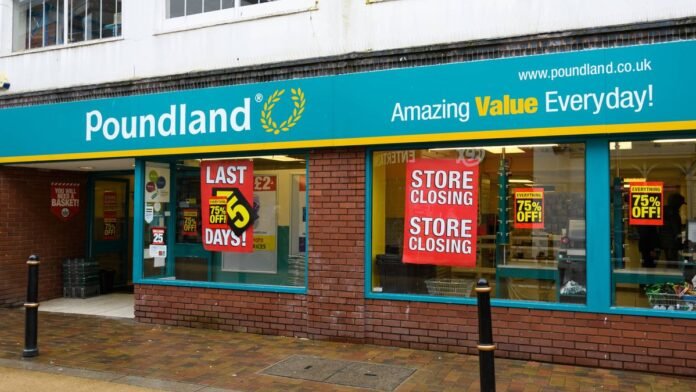
Poundland recently completed a restructuring plan that involved shutting down close to 150 stores and cutting 2,200 jobs. The retailer now operates 651 stores, down from approximately 800, and its workforce has decreased from 14,200 to around 12,000. As part of the overhaul, Poundland also closed two warehouses located in Darton, South Yorkshire, and Springvale in Bilston, West Midlands.
In June of last year, Poundland was acquired by investment firm Gordon Brothers for a nominal fee of £1, following a rescue plan approval in the High Court in August. While Poundland has confirmed the conclusion of its restructuring program, it emphasized that there is still work to be done to achieve its goals.
The company stated that any future store closures would be due to regular business lease events that are common for retailers with a large store network. Poundland reported a 2.9% decline in like-for-like underlying sales for the quarter ending December 28 as it implemented price reductions to reinforce its discount positioning. However, it noted a 2% increase in comparable store sales by volume.
First-quarter underlying earnings rose to £17.3 million from £8.4 million, aligning with the company’s projections. Managing Director Barry Williams acknowledged the progress made in revitalizing the business through lower prices and an improved product range but stressed the ongoing need for further enhancements.
Poundland revamped its pricing strategy by reintroducing a straightforward £1, £2, and £3 structure for grocery items across all UK stores, with a majority of grocery products priced at £1. It streamlined its offerings by discontinuing certain categories like frozen foods and select chilled items, as well as discontinuing its online platform.
The company is reintroducing its in-house designed Pep&Co clothing line in UK and Ireland stores, with the majority of items priced below £10. Additionally, Poundland is launching a national advertising campaign next week to emphasize the value of its product ranges.