
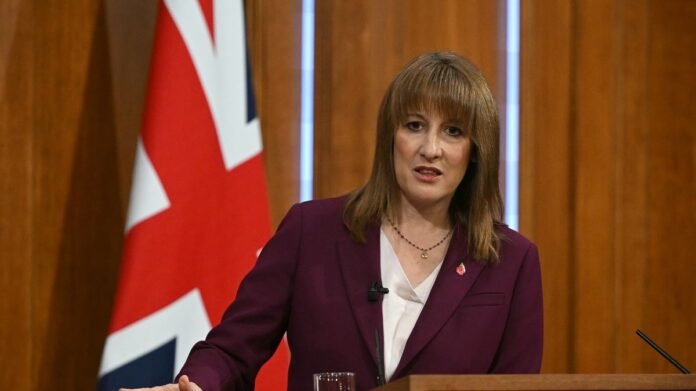
Rachel Reeves made a significant move by hinting at the upcoming Budget set for three weeks from now. Although lacking specifics, this early signal carries substantial weight in the broader context.
Following a previous Budget focused on tax increases that was perceived as a one-off, the current indications suggest otherwise. Reeves’ address conveyed a clear message to voters about potential additional tax hikes, including promises that may deviate from the party’s initial commitments.
The gamble revolves around the belief that shared contributions will lead to enhanced national well-being, public services, and financial stability. The repercussions of this strategy could shape the outcome of the upcoming general election and have long-term implications.
Despite avoiding explicit references in her speech, the looming prospect of another challenging Budget has been increasingly evident. The emphasis appears to lean towards tax adjustments rather than extensive spending cuts, particularly with the assurance of steering away from past austerity measures.
While the Labour manifesto vowed not to burden working individuals with increased taxes, recent developments and evolving circumstances compel a reevaluation. Tax adjustments to major revenue streams, accounting for a significant portion of total tax receipts, seem inevitable to meet financial requirements.
Speculations about potential tax modifications are abundant, with suggestions from various quarters. The Resolution Foundation’s proposal for a minimal increase across different tax bands could generate substantial revenue but comes with its set of challenges and historical implications.
Contemplating adjustments to VAT rates brings forth concerns about inflationary impacts and consumer affordability. The delicate balance between revenue generation and cost-of-living improvements remains a key consideration in the ongoing deliberations.
Reeves’ focus on essential expenses like energy and food costs underscores the government’s awareness of household financial burdens. Proposals to revise tax structures to alleviate specific cost pressures reflect a nuanced approach to addressing economic challenges.
The ongoing discourse extends to intricate areas such as pension schemes and gambling duties, where potential adjustments could have a cascading effect on various sectors. The evolving landscape of fiscal policies underscores the complexity of balancing revenue needs with socio-economic considerations.