
As temperatures drop, maintaining a dry and mould-free home becomes more challenging due to the cold air’s ability to retain excess moisture. To combat this issue, there are various strategies you can employ to reduce the likelihood of mould growth in your living space. These include using dehumidifiers, ensuring proper ventilation, promptly drying wet surfaces, utilizing extractor fans when cooking or showering, and refraining from indoor clothes drying. Interestingly, incorporating specific types of plants into your home decor can also play a significant role in preventing mould formation.
Plants not only enhance the aesthetic appeal of your residence but also serve as natural air purifiers, offering an effective and affordable means to ward off mould. A TikTok user known as ‘bloom.buddy.plant’ recently shared insights on five common plants that can help combat excess moisture and ultimately deter mould growth in indoor environments.
One such plant, English Ivy, known for its evergreen climbing vines typically seen outdoors, can substantially decrease airborne moisture levels. Studies indicate that this plant has the potential to eliminate up to 78% of airborne mould particles within just 12 hours by trapping mould spores and absorbing moisture, particularly beneficial in high-humidity areas like bathrooms.
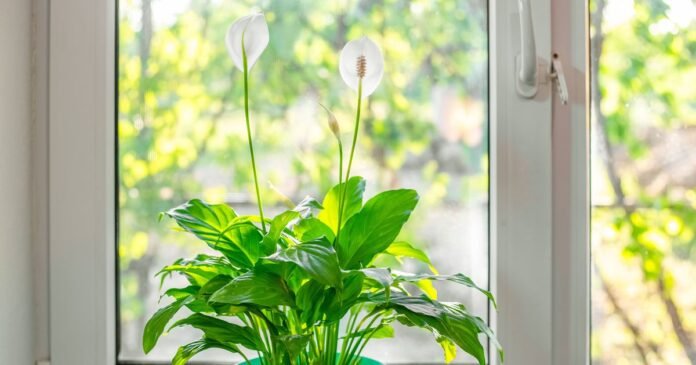
Another plant, the peace lily, functions similarly by absorbing excess moisture and mould spores from the air with its broad leaves acting as natural filters. Despite its mould-fighting properties, cat owners need to be cautious as peace lilies are toxic to pets and can cause oral irritation if ingested.
The snake plant is renowned for its ability to absorb moisture and toxins from the air while releasing oxygen during the night, enhancing indoor air quality. This low-maintenance plant effectively reduces humidity levels conducive to mould growth.
In humid environments like bathrooms, a Boston fern can thrive by absorbing excess moisture and acting as a natural humidifier that filters out mould spores and toxins. Placing these plants in well-ventilated areas with indirect sunlight and regular watering can maximize their mould-preventing benefits.
For moisture absorption, palm plants such as the Lady Palm or Bamboo Palm are recommended, especially in high-humidity spaces like bathrooms. Regular cleaning of palm leaves to remove dust aids in air purification, further preventing mould formation on surfaces.
By incorporating these mould-fighting plants into your home decor, you can create a healthier living environment with reduced mould risk, all while adding a touch of natural beauty to your space.