
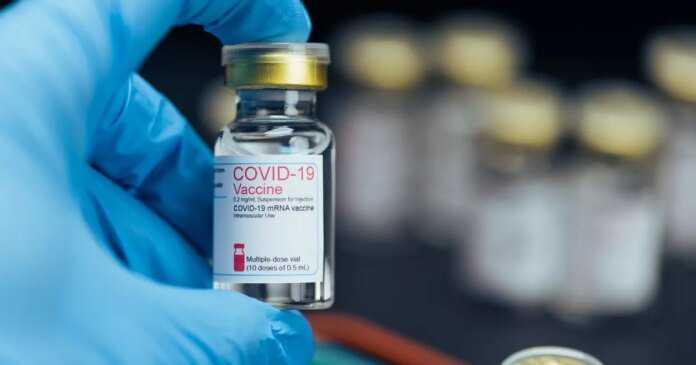
A recent study has shown that receiving the Covid-19 vaccine within 100 days of starting immunotherapy could significantly enhance cancer treatment effectiveness and nearly double patients’ survival rates. The research, published in the medical journal Nature, focused on patients with advanced lung and skin cancer undergoing a form of immunotherapy called a checkpoint inhibitor. This type of treatment helps the immune system identify and attack cancer cells. The study found that the mRNA Covid vaccine boosted the immune system’s ability to target and combat cancer cells.
Experts from the University of Florida and the University of Texas MD Anderson Cancer Center emphasized the need for further large-scale studies to validate these initial findings. They believe that this discovery has the potential to transform cancer care practices. Elias Sayour, a co-senior author and UF Health paediatric oncologist, expressed optimism about the implications, indicating that this breakthrough could revolutionize cancer treatment approaches.
The study analyzed data from 180 advanced lung cancer patients who received a Covid-19 vaccine within a 100-day timeframe around the start of their immunotherapy. Compared to a control group of 704 patients who did not receive the vaccine, those who were vaccinated nearly doubled their median survival time from 20.6 months to 37.3 months.
Additionally, the research included individuals with metastatic melanoma. Among them, 43 patients were vaccinated within 100 days of beginning immunotherapy, resulting in a median survival extension from 26.7 months to a range of 30 to 40 months. The study noted that some participants were still alive at the time of data collection, suggesting that the vaccine’s impact might be even more profound than initially recorded.
If future research confirms these findings, there is potential to develop a universal vaccination strategy for advanced cancer patients based on these results. This approach could provide these patients with precious additional time. Dr. Duane Mitchell from the UF Clinical and Translational Science Institute underscored the significance of this potential breakthrough and the importance of further confirmatory studies to validate these promising outcomes.
The winter Covid-19 vaccine is currently accessible through the NHS for individuals aged 75 and above, residents in care homes for older adults, and those between six months and 74 years old with weakened immune systems due to health conditions or treatments.